

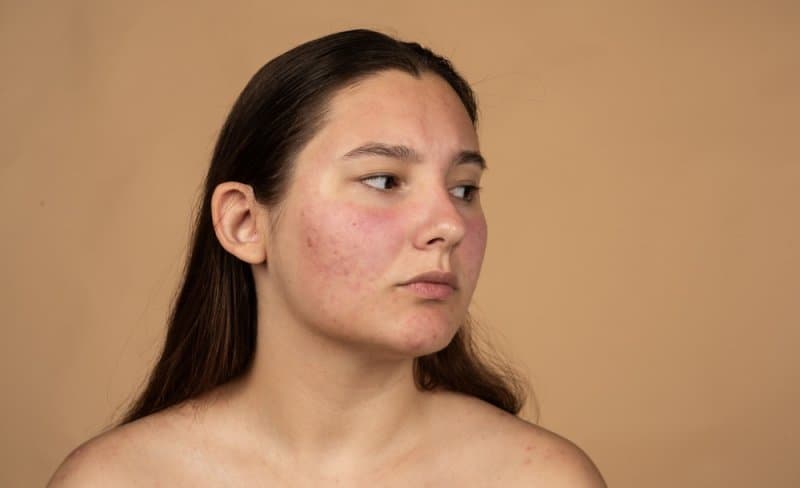
Red, itchy, warm, or swollen skin is your immune system reacting to something it sees as a threat. That reaction is skin inflammation, and it can start with anything from a new detergent to a bacterial infection.
Relief depends on the cause, since a cream that calms eczema does little for an infection. In this blog, we break down the main triggers, how to read the signs, what helps at home, and when skin inflammation treatment needs a doctor.
Skin inflammation happens when immune cells release chemicals that widen blood vessels and pull fluid into the area. That is why inflamed skin turns red, swells, and feels warm.
Most causes of skin inflammation come down to two patterns. Sometimes the immune system is fighting a real threat, like bacteria in a cut. Other times it overreacts to something harmless, such as pollen, nickel, or fragrance.
In eczema and psoriasis, the immune system stays on alert. That is why skin inflammation in those conditions flares and settles in cycles.
The causes of skin inflammation fall into a few groups. Placing your situation in one of them narrows down what to do next.
Picture someone who gets an itchy patch under a new watch buckle. Nickel allergy is among the most common causes of skin inflammation of this kind. Other causes of skin inflammation behave differently, so the pattern of where and when skin inflammation appears is your best clue.
Symptoms of skin inflammation overlap between conditions. Location and timing give the best clues. Redness, swelling, warmth, itching, and pain are the classic signs. Some people also get bumps, blisters, scaling, or oozing.
Symptoms that stay in one spot often point to contact with a trigger. A widespread rash with fever suggests something affecting the whole body.
On lighter skin, symptoms of skin inflammation usually look pink or red. On medium and darker tones, they may look purple, gray, or deep brown, which makes them easy to miss.
Feel for warmth and swelling, and watch whether the area spreads. Daily phone photos of symptoms of skin inflammation help you and your doctor track the trend.
Several conditions cause skin inflammation, but they look and behave differently. This side-by-side view helps you spot the likely culprit.
| Condition | Typical Look | Common Location | Key Clue |
| Contact dermatitis | Itchy red patch | Where a trigger touched skin | Outline matches the trigger. |
| Eczema | Dry, itchy, scaly patches | Skin creases, hands | Often starts in childhood |
| Psoriasis | Thick plaques with silvery scale | Elbows, knees, scalp | Sharp borders |
| Rosacea | Flushing, redness, small bumps | Cheeks, nose, chin | Triggered by heat, alcohol, spicy food |
| Cellulitis | Warm, tender, spreading redness | Legs most often | May come with fever |
Knowing how to reduce skin inflammation at home handles many mild flares. Remove the trigger first, then soothe and protect the barrier. Cool compresses for 10 to 15 minutes ease heat and itch. A lukewarm colloidal oatmeal bath calms irritated skin, and plain aloe vera gel can soothe mild sunburn.
Here is how to reduce skin inflammation without making it worse:
Some flares need more than home care. Skin inflammation treatment from a doctor targets the cause, not just the symptoms. It depends on the cause. Over-the-counter 1 percent hydrocortisone helps mild eczema or contact dermatitis, and oral antihistamines can ease itch and hives.
Prescription skin inflammation treatment may include stronger steroid creams, nonsteroidal creams, antibiotics, antifungals, or biologic medicines for psoriasis and severe eczema.
See a doctor quickly for fever, fast-spreading redness, pus, or blisters near the eyes. Knowing how to reduce skin inflammation helps, but infections need real skin inflammation treatment.
Keep routines short, fragrance-free, and consistent. Patch test new products on your inner arm for a few days first, and wear sunscreen daily.
Skin inflammation is a signal worth listening to. Whether the trigger is an irritant, allergen, infection, or chronic condition, naming the cause is the fastest route to relief. Tracking symptoms of skin inflammation and the causes of skin inflammation you suspect makes that easier. Many mild flares settle once you learn how to reduce skin inflammation with compresses, fragrance-free products, and a solid moisturizer.
Others need prescription skin inflammation treatment. If redness spreads, you run a fever, or nothing helps within a week or two, see a doctor. Catching skin inflammation early usually means faster healing.
For some people, yes. Alcohol and spicy foods commonly trigger rosacea. True food allergies can cause hives, but cutting foods without testing rarely helps adult eczema.
Eczema, psoriasis, and contact dermatitis are not contagious. Infections such as impetigo or ringworm can spread, so get a diagnosis before choosing skin inflammation treatment.
Cold, dry air often worsens eczema, while heat and humidity can trigger rosacea and heat rash. Adjust your moisturizer and clothing by season.
No. Blisters protect the skin underneath from infection. Cover them loosely and let them drain on their own.
See a doctor if a rash comes with fever, lethargy, poor feeding, or spots that do not fade when pressed. Those signs need prompt attention.
This content was created by AI