

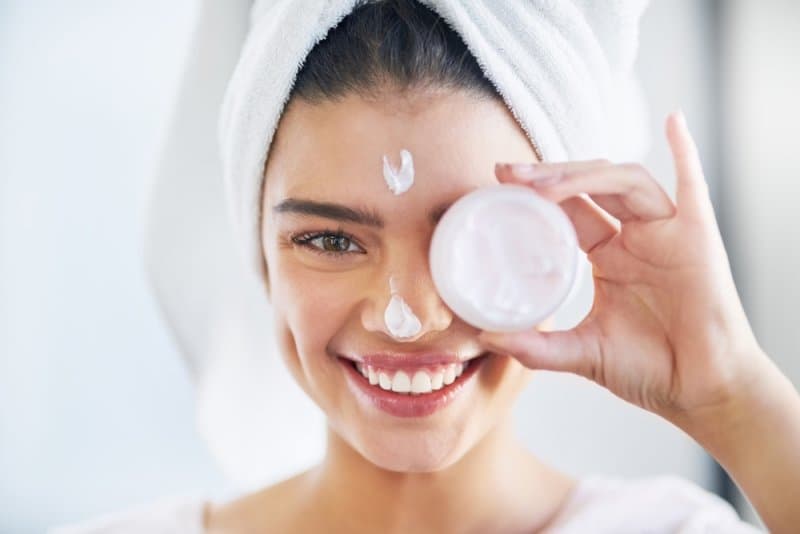
Skin moisturizing is probably one of the easiest methods to maintain a healthy skin condition by keeping it hydrated, soft, and elastic. However, sometimes it may be difficult to understand which product will suit your skin because a luxurious cream might seem to nourish dry skin well while leaving greasy traces on the T-zone of oily skin. Knowing the principles of moisturizing and its components might help you use the right facial moisturizer.
Water loss is natural from the skin on a daily basis. Factors like cleansing, variations in weather, heating/cooling indoors, and some ingredients used for skin care can lead to more moisture loss. The use of a facial moisturizer can help to limit moisture loss and strengthen the skin barrier, ensuring protection against irritants as well as retaining hydration. This way, a skin moisturizer can contribute to improved comfort and softness.
Ingredients like humectants (glycerin, hyaluronic acid), which draw water into the skin, emollients, which soften and smooth skin and fill gaps between skin cells, and occlusives (petrolatum, waxes) that form a protective film preventing evaporation can be found in many moisturizers, even though in different amounts and combinations.
The aim is to get skin that feels comfortable and supple without having a sticky and greasy feeling. Gel-like moisturizers can be helpful, while cream or balm might be more comfortable for very dry skin.
The best moisturizer for face care is the one that offers sufficient moisture without causing any pain, extra shine, or congestion. The type of skin and changes in seasons may serve as good starting points.
If your skin is dry, it will most probably feel tight, rough, and flaky, requiring the application of a thick cream. Ingredients like glycerin, hyaluronic acid, ceramides, squalane, and petrolatum should do the trick. Humectants attract water, while emollients and occlusives prevent its evaporation. You should apply a slightly thicker layer to your dry zones, especially after bathing or cleaning your face.
Even oily skin needs moisturizing. If you neglect the application of the product, your skin will feel tight, and aggressive cleansers will contribute to more irritation. Consider using a thin lotion or gel-cream marked as "noncomedogenic," meaning that it was designed not to cause congestion. Ingredients like glycerin, hyaluronic acid, and niacinamide will help your skin a lot. You should never think that all oils are bad.
When it comes to moisturizer for sensitive skin, comfort and a minimal number of ingredients should come first. Using fragrance-free skincare is a reasonable starting point, especially if the addition of fragrance makes you experience side effects such as stinging and redness. Ceramide, glycerin, and colloidal oatmeal might help in providing moisture and soothing an irritated skin barrier. Try introducing one product at a time and test it on a small spot of your skin prior to using it all over your face. If some skincare products make you experience irritation or burning sensations, discontinue using them.
Selecting moisturizer for combination skin type may prove difficult because it may be dry on the cheeks and oily on the forehead, nose, and chin. Gel-cream might be a good solution. Besides, it is possible to use it all over your face but apply some extra moisturizer to dry spots.
Looking at the list of ingredients will help determine whether or not a particular formula is right for you. Some well-chosen ingredients may be sufficient.
Ingredients list and individual tolerability are important. A product labeled natural and hypoallergenic does not guarantee an irritation-free formula, and even the best-reviewed one will not work for everybody.
Knowing when to apply moisturizer helps you get consistent results. Most of the time, it is best to use it twice a day, once in the morning after cleansing and any light treatments, and once at night after cleansing and treatments. In case your skin becomes dry at any time during the day, you can use it again.
After cleansing, pat your skin gently so that it stays slightly wet and not dry. Then, apply a bit of the product to your face and neck using gentle motions. Allow it to settle before applying your makeup or sunscreen.
In the morning, always finish your skincare routine with a broad-spectrum sunscreen that should be SPF 30 or higher. If you are using a moisturizer with SPF in it, ensure that it is broad-spectrum and that you use enough to ensure you get its protection, as most people prefer sunscreen to moisturizer for ease of application. At night, moisturizer is usually the last step after water-based serums and treatment products.
A few habits can make a suitable product less effective.
A good moisturizer should leave your skin feeling comfortable and hydrated all day long. Identify the kind of skin you have, identify your skin concerns, and choose products with ingredients that solve these problems. With a simple regimen, you will soon discover what works for your skin and streamline your skincare.
Yes. If the formula feels comfortable and provides enough hydration, you can use it for both routines. In the morning, apply sunscreen separately or use a moisturizer with adequate broad-spectrum SPF protection.
Yes. Oily skin can still become dehydrated, and moisturizer helps support its protective barrier. Choose a lightweight, noncomedogenic lotion or gel rather than skipping this step altogether.
In most routines, apply lightweight, water-based serums first and moisturizer afterward. The moisturizer helps reduce water loss and leaves a comfortable layer over the products beneath it. Follow any specific treatment instructions.
Skin may feel softer immediately, while dryness can take several days of consistent use to improve. Barrier-related concerns may take longer, depending on their cause and severity.
Some formulas may feel too heavy or contribute to clogged pores for certain people, but moisturizer itself is not inherently acne-causing. Choose a noncomedogenic option and monitor how your skin responds over time.
This content was created by AI