

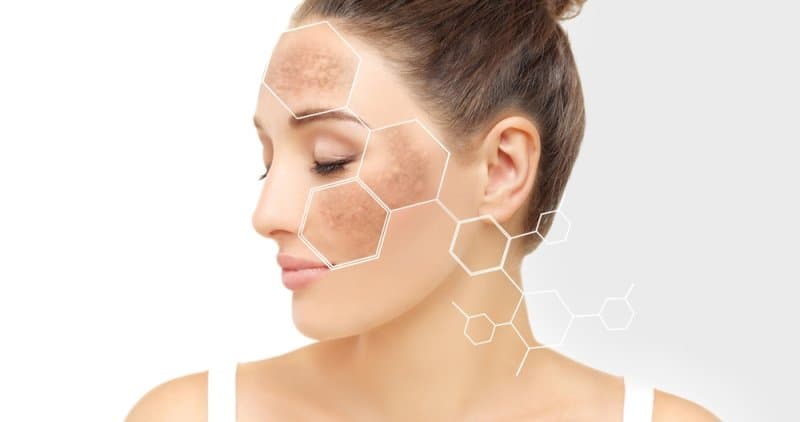
Staring at stubborn dark patches in the mirror gets frustrating fast. You try a viral brightening serum, wait two weeks, see zero change, and toss it in a drawer. Most people fail to clear uneven skin because they treat every dark mark the same way. Knowing what hyperpigmentation is and why it showed up on your face is half the battle. Whether it came from a brutal summer sunburn or an old breakout you picked at, hyperpigmentation demands a smart, layered game plan.
It happens when specific patches of skin produce way too much melanin, the natural pigment that gives your face its color. Those extra pigment cells clump together and leave behind flat, darkened spots or blotches. It is completely harmless medically, but it creates a stubborn, patchy tone that takes serious patience and targeted care to fade.
You cannot pick the right bottle off the shelf until you know what you are fighting. Dermatologists break the main types of hyperpigmentation down into three clear buckets.
Also called sunspots or solar lentigines, these are flat, tan-to-brown dots. They show up on the highest points of your face—cheeks, nose, and forehead—after years of unprotected UV exposure.
Every time you pop a pimple, burn your skin, or suffer a rash, your skin panics and floods the healing area with extra pigment. It leaves a flat pink, red, or dark brown mark long after the actual blemish vanishes.
This is the hardest one to beat. It shows up as larger, symmetrical, blotchy brown patches across the forehead, cheeks, or upper lip. It sits deeper in the skin and flares up easily.
Your pigment cells do not just go rogue for fun. Something specific pulls the trigger, and spotting the causes of hyperpigmentation stops new spots from forming.
Sunlight is public enemy number one. Even ten minutes of walking to your car without SPF wakes up dormant pigment cells and darkens every existing mark on your face.
Pregnancy, birth control pills, and thyroid shifts send estrogen surging. Those hormones directly stimulate melanin production, which is why melasma hits so many women out of nowhere.
Squeezing blackheads, over-exfoliating with harsh acids, or getting aggressive waxing damages the top layer of skin. Your body responds to that inflammation by dumping melanin straight into the wound.
Sunlight isn't the only trigger. Hot yoga, saunas, and even standing over a steaming stove can make stubborn melasma flare up because heat dilates blood vessels and aggravates pigment cells.
Throwing six strong acids on your face at once will just burn your barrier and make the marks darker. Building smart skincare for dark spots is all about calm, repeatable daily habits.
Wear a broad-spectrum SPF 30 or higher every single morning, rain or shine. Tinted mineral formulas with iron oxides work even better because they block visible light too.
Ditch the foaming washes that leave your face feeling tight and squeaky. A gentle, non-stripping cleanser keeps inflammation low so your pigment cells stay quiet.
Pick one or two proven brighteners and introduce them a few nights a week. Pushing too hard causes peeling and redness, which completely backfires.
Slather on a plain moisturizer packed with ceramides or glycerin. Healthy, hydrated skin turns over cells smoothly and handles active treatments without freaking out.
When over-the-counter creams hit a wall, dermatologists climb a strict treatment ladder. These clinical treatments for hyperpigmentation go deeper than anything sitting in a drugstore aisle.
Doctors often prescribe hydroquinone or high-strength tretinoin for short bursts. They actively slow down the enzyme that builds melanin and speed up how fast dark cells shed.
In-office peels use controlled acids like glycolic or mandelic acid to dissolve the stained top layers of skin. You need a series of sessions, not just one quick appointment.
Tiny needles create micro-channels in the skin, triggering fresh collagen and helping break up clumped pigment. It is a solid option when heat-based devices are too risky.
Devices like pico lasers shatter stubborn pigment clusters into microscopic dust that your body clears away naturally. You have to go to an experienced specialist so the heat doesn't rebound your spots.
You do not need a shelf full of gimmicks for a solid uneven skin tone treatment. Focus on proven pigmentation skincare ingredients that block melanin at different stages. Vitamin C defends against daytime UV damage and brightens dull skin. Azelaic acid calms redness while gently fading leftover acne marks, making it great for sensitive faces. Retinoids force old, darkened skin cells to shed faster overnight. Pair those with niacinamide or tranexamic acid, which physically stop pigment from traveling up to the surface where you can actually see it.
Fading dark spots is a slow game, not a weekend project. If you chase harsh hacks or skip your sunscreen on cloudy days, those stubborn patches will keep bouncing right back. Clearing hyperpigmentation comes down to knowing exactly what triggered your marks, staying relentlessly consistent with gentle brighteners, and shielding your face from UV light every single morning.
It can, especially if you have a medium-to-deep skin tone or deal with melasma. High-energy visible light penetrates deep into the skin and triggers stubborn pigment production. Wearing a tinted mineral sunscreen with iron oxides during the day helps block it out.
Expect to wait at least eight to twelve weeks of consistent daily use before seeing real movement. Surface-level acne marks fade faster, while deeper patches like melasma can take six months or longer to lighten.
You have to drop heavy hitters like retinoids and hydroquinone immediately while pregnant or nursing. Stick strictly to pregnancy-safe options like azelaic acid, vitamin C, glycolic acid, and daily mineral sunscreen until your doctor clears stronger actives.
Lasers clear existing pigment, but they do not turn off your skin's ability to make new melanin. One unprotected afternoon in the sun or a sudden hormonal spike wakes those memory cells right back up, bringing the same spot back to the surface.
This content was created by AI